Key takeaways
- Our fixed fee for the survey and drawings is £679 drawings + £200 survey (£879 total).
- The council's planning fee for a change of use is £610Ribble Valley Borough Council, guide to the national fee scale from 1 April 2026.
- A change that counts as development needs permission: building or other operations, or any material change in the use of buildings or landTown and Country Planning Act 1990, section 55(1).
- A shop or office can become a home through prior approval, but only if the building has had a continuous use in the listed classes for at least 2 years before the applicationGeneral Permitted Development Order 2015, Schedule 2, Part 3, Class MA.
- A decision on a full application is due within 8 weeksDevelopment Management Procedure Order 2015, article 34.
What counts as a change of use
Planning law sorts buildings into use classes, such as shops, offices, homes and small HMOs. Moving a building from one class to another is usually a change of use, and the law treats it as development: building or other operations, or any material change in the use of buildings or landTown and Country Planning Act 1990, section 55(1). The test is the use, not the building, so a shop that becomes a flat has changed use even if no wall has moved.
Not every change counts. A house to a small HMO is permitted development in much of England, for example, unless a council has restricted it. Our change of use drawings page lists the changes we draw, and we confirm which category yours falls into before we quote.
What it costs: the drawings and the council's fee
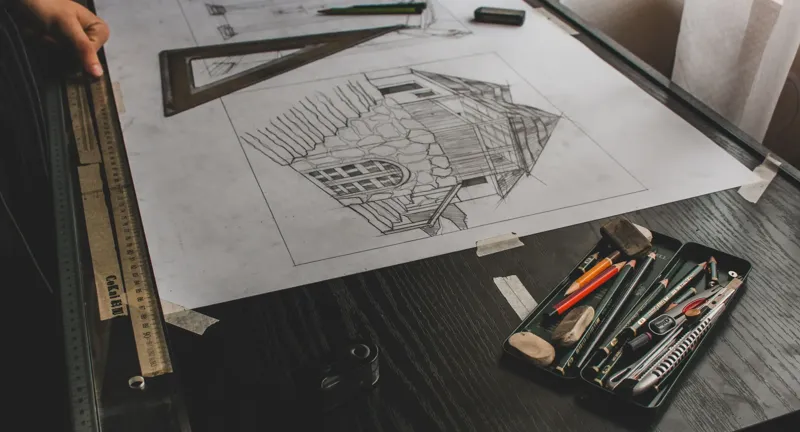
The drawings are £679 drawings + £200 survey (£879 total). They show the building as it is, the layout it will have, and how people get in and out. Where the change creates homes, they also show the floor areas, because councils test new homes against a minimum size.
The council's fee is £610Ribble Valley Borough Council, guide to the national fee scale from 1 April 2026 for a change of use of a building. If the change creates separate dwellings the scale charges per dwelling, so a conversion into flats costs more; our post on flat conversion costs goes through that case. A decision is due within 8 weeksDevelopment Management Procedure Order 2015, article 34.
The shortcut for shops and offices: prior approval
Where a commercial, business or service building becomes a home, there is a faster route than a full application. It is permitted development, but only on conditions: the building has had a continuous use in the listed classes for at least 2 years before the applicationGeneral Permitted Development Order 2015, Schedule 2, Part 3, Class MA. The council then has 56 daysGeneral Permitted Development Order 2015, Schedule 2, Part 3, Class MA to decide the prior approval, and judges only the matters the Order lists, not whether the change is a good idea in principle.
That makes it a good fit for a long-standing shop or office, and a poor fit for a unit that has been empty or has only just changed hands. We check the use history before drawing, because a gap in the two years takes the shortcut away.
Where permitted development is switched off
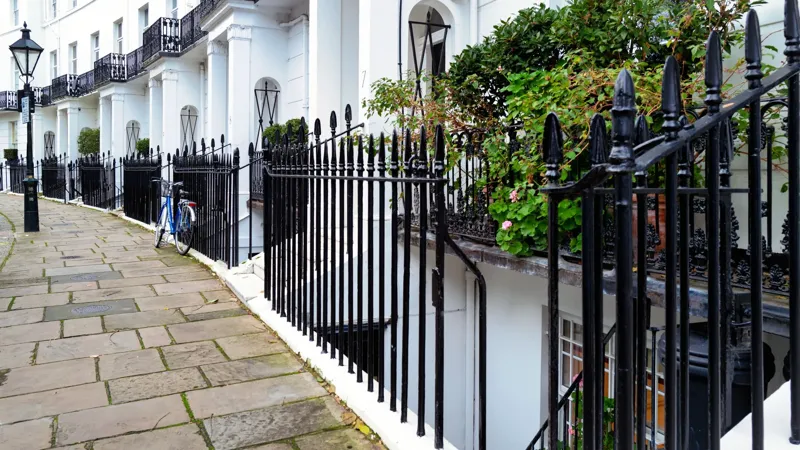
A council can remove permitted development rights from an area: a council may direct that permitted development rights in a class do not apply to an areaGeneral Permitted Development Order 2015, article 4. Several rights, including the one for small HMOs, are routinely restricted this way in parts of London. Conservation areas and listed buildings add their own tests as well.
This is why the constraints check matters. It finds a restriction before you pay for drawings that assume a right you do not have, and it is the least expensive step in the whole process.
What comes after planning
A change of use is only the first approval. The building still has to meet the Building Regulations for its new use, which means fire, sound, ventilation and access are checked afresh. Our building regulations drawings start from £729, and an HMO also needs a licence from five tenants, which our HMO licence application pack, from £479, covers.
If the council asks for changes to the drawings, we redraw free until the application is approved.
The figures, with sources
- National planning fee, other change of use of a building
- £610Ribble Valley Borough Council, guide to the national fee scale from 1 April 2026Checked 25 October 2026
- Meaning of development
- building or other operations, or any material change in the use of buildings or landTown and Country Planning Act 1990, section 55(1)Checked 25 October 2026
- Commercial, business and service use to a home by prior approval
- the building has had a continuous use in the listed classes for at least 2 years before the applicationGeneral Permitted Development Order 2015, Schedule 2, Part 3, Class MAChecked 25 October 2026
- Class MA: time before the developer may proceed if the council is silent
- 56 daysGeneral Permitted Development Order 2015, Schedule 2, Part 3, Class MAChecked 25 October 2026
- Article 4 directions
- a council may direct that permitted development rights in a class do not apply to an areaGeneral Permitted Development Order 2015, article 4Checked 25 October 2026
- Decision period for an application that is not major development
- 8 weeksDevelopment Management Procedure Order 2015, article 34Checked 25 October 2026
Questions
How do I know if my change counts as a change of use?
If the activity in the building moves from one use class to another, it usually does. We confirm this at the constraints check, using the use history of the address, before we quote.
Can I change a shop to a flat without planning permission?
Often you can use the prior approval route, which is quicker than a full application, if the shop has been in a commercial use for the required time and the building meets the other tests. We check the history first.
Does the price cover a change into several flats?
The quoted fee is for a standard change of use. Several flats are quoted after the constraints check, since each flat adds drawing work and a council charge.
Do I need building regulations approval as well?
Usually yes. A new use brings new fire, sound and access requirements, and the building control process is separate from planning.
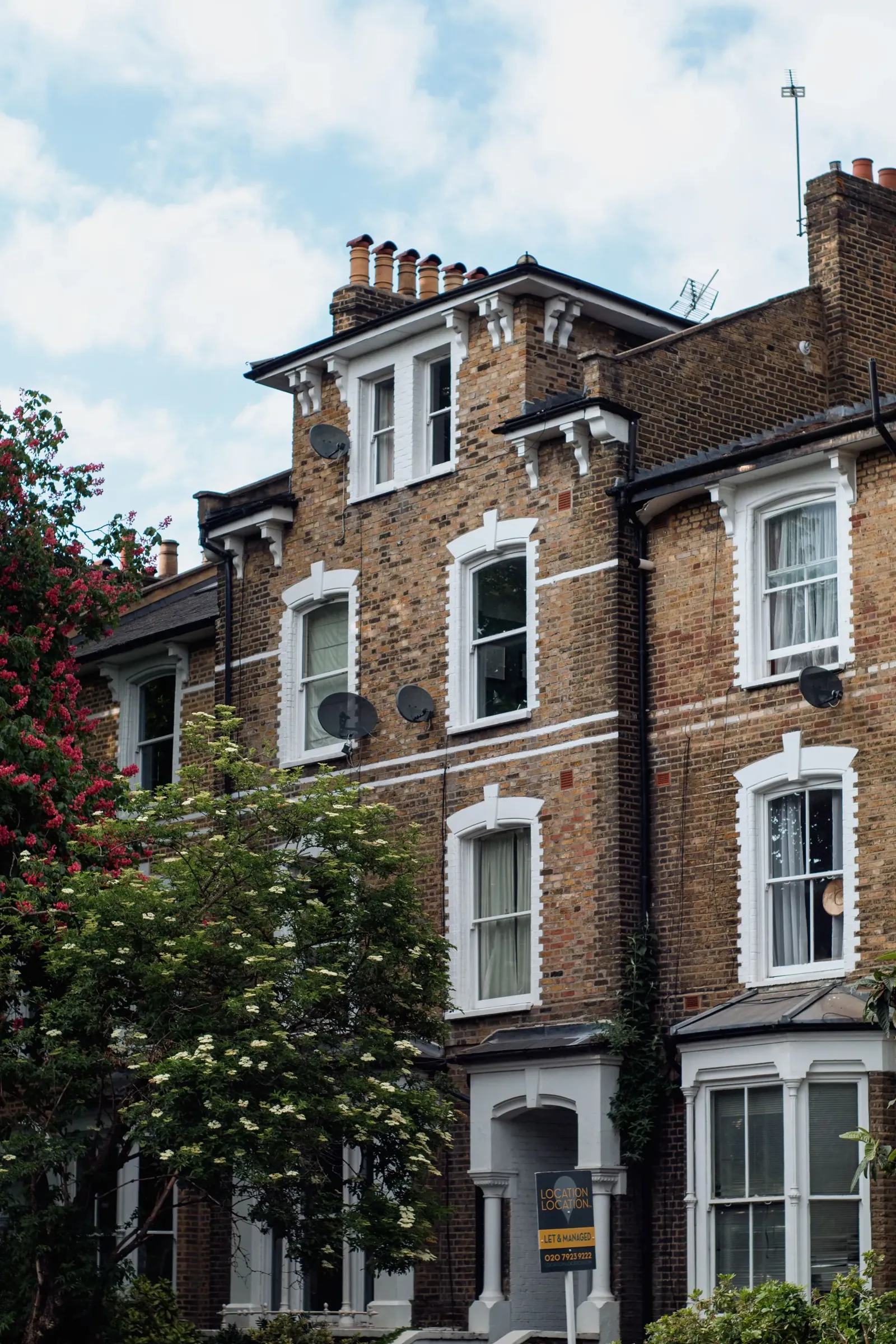
Header photo: A tall red-brick Victorian house with bay windows and a front garden on a London street by Lorenc Memaga, Pexels License.