Key takeaways
- Our fixed fee for CIL forms is £49, with no VAT to add, and free inside our planning packages.
- The levy is a local charge: a charge which can be levied by local authorities on new development in their areaGOV.UK planning practice guidance, Community Infrastructure Levy.
- Small buildings are exempt, but not homes: no liability where new build is under 100 square metres, unless the development comprises one or more dwellingsCommunity Infrastructure Levy Regulations 2010, regulation 42.
- A householder extension has its own exemption, which is claimed in advance: the applicant must submit a claim to the collecting authority before development commencesGOV.UK planning practice guidance, Community Infrastructure Levy.
- Missing a notice has a cost: a surcharge penalty applies, rather than the loss of the exemption, for liability notices issued from 1 September 2019GOV.UK planning practice guidance, Community Infrastructure Levy.
What the forms cost, and what the levy costs
Our fee is £49, and the forms cost nothing extra when they sit inside one of our planning packages. We prepare the forms your project needs and file them in the right order. See our CIL forms page for the list.
The levy itself is a separate matter. It is paid to the council, not to us, and the rate depends on the borough. The government describes it as a charge which can be levied by local authorities on new development in their areaGOV.UK planning practice guidance, Community Infrastructure Levy. A project in a borough with no charging schedule owes nothing.
Who owes the levy
The responsibility goes to the owner of the land: landowners are ultimately liable, but anyone involved in a development may take on the liabilityGOV.UK planning practice guidance, Community Infrastructure Levy. That is why the forms matter to you and not just the builder, and why a form signed by the wrong person can leave you carrying the liability.
On a householder job, the liability usually disappears if the right exemption is claimed. The risk is not the levy but the paperwork that stops it.
Which projects owe nothing
Two exemptions cover most householder work. The first is size: buildings under 100 square metres are exempt, but no liability where new build is under 100 square metres, unless the development comprises one or more dwellingsCommunity Infrastructure Levy Regulations 2010, regulation 42. The second is for extensions: an owner who occupies the main dwelling as a sole or main residence is exempt on a residential extensionCommunity Infrastructure Levy Regulations 2010, regulation 42A. A new dwelling is liable however small, so a flat conversion that adds floor space or a new house does not use either.
Which one applies, and which form, depends on the project. A garden room or loft adds little floor space but is still assessed under the same rules, so we check each.
The step that catches people out
The exemption is not automatic. The guidance is direct: the applicant must submit a claim to the collecting authority before development commencesGOV.UK planning practice guidance, Community Infrastructure Levy. The claim uses the residential extension form, and it has to be in before the work starts, which includes digging foundations and other early steps.
A related notice is the commencement notice. If one is not served, a penalty applies: a surcharge penalty applies, rather than the loss of the exemption, for liability notices issued from 1 September 2019GOV.UK planning practice guidance, Community Infrastructure Levy. We list the notices and their order in the project timeline, so nothing is left to the day the builder arrives.
Tied to the rest of the project
The forms follow planning permission: see the cost post for planning drawings, and the main page for planning drawings. Our next-steps pack at the end of the job lists the commencement notice, party wall timing and the levy forms together.
If you are not sure whether a project is liable, send us the decision notice and we will say.
The figures, with sources
- What the levy is
- a charge which can be levied by local authorities on new development in their areaGOV.UK planning practice guidance, Community Infrastructure LevyChecked 25 October 2026
- Who is liable
- landowners are ultimately liable, but anyone involved in a development may take on the liabilityGOV.UK planning practice guidance, Community Infrastructure LevyChecked 25 October 2026
- Claiming the residential extension exemption
- the applicant must submit a claim to the collecting authority before development commencesGOV.UK planning practice guidance, Community Infrastructure LevyChecked 25 October 2026
- Minor development exemption
- no liability where new build is under 100 square metres, unless the development comprises one or more dwellingsCommunity Infrastructure Levy Regulations 2010, regulation 42Checked 25 October 2026
- Exemption for residential extensions
- an owner who occupies the main dwelling as a sole or main residence is exempt on a residential extensionCommunity Infrastructure Levy Regulations 2010, regulation 42AChecked 25 October 2026
- Failing to serve a commencement notice
- a surcharge penalty applies, rather than the loss of the exemption, for liability notices issued from 1 September 2019GOV.UK planning practice guidance, Community Infrastructure LevyChecked 25 October 2026
Questions
Do I owe the levy on a house extension?
Often not, if you live in the house and claim the residential extension exemption before work starts. The borough sets the rate for anything that is liable.
Does the council charge for the forms?
Our fee covers preparing and filing the forms. Any levy that is due is paid to the council, and the borough sets its rate.
What if I have already started work?
Tell us straight away. The rules differ depending on what has happened, and the guidance describes a surcharge in some cases. We tell you where you stand.
Does a flat conversion owe the levy?
The small-building exemption does not apply where the development comprises a dwelling, so we assess each conversion and tell you the outcome.
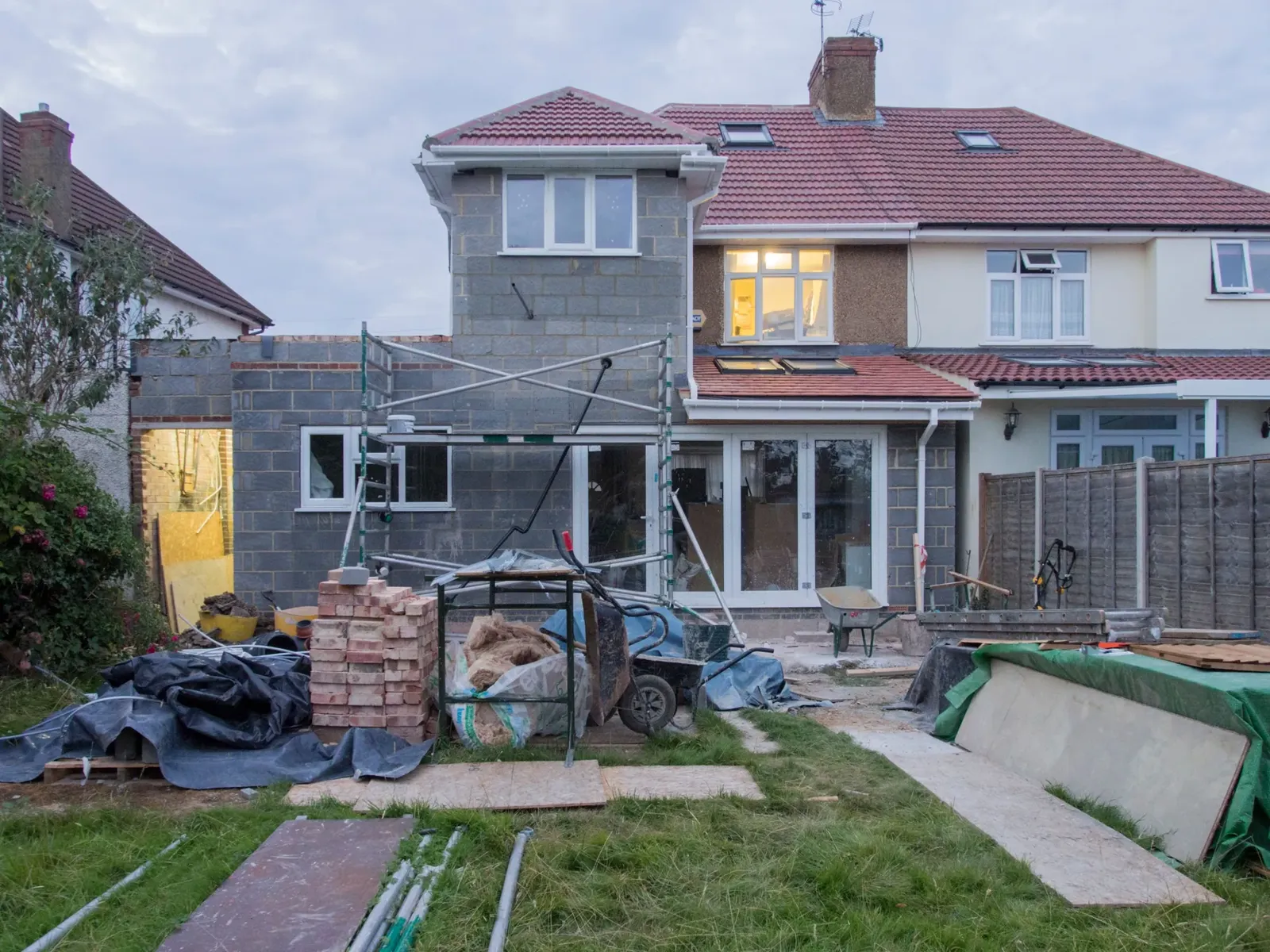
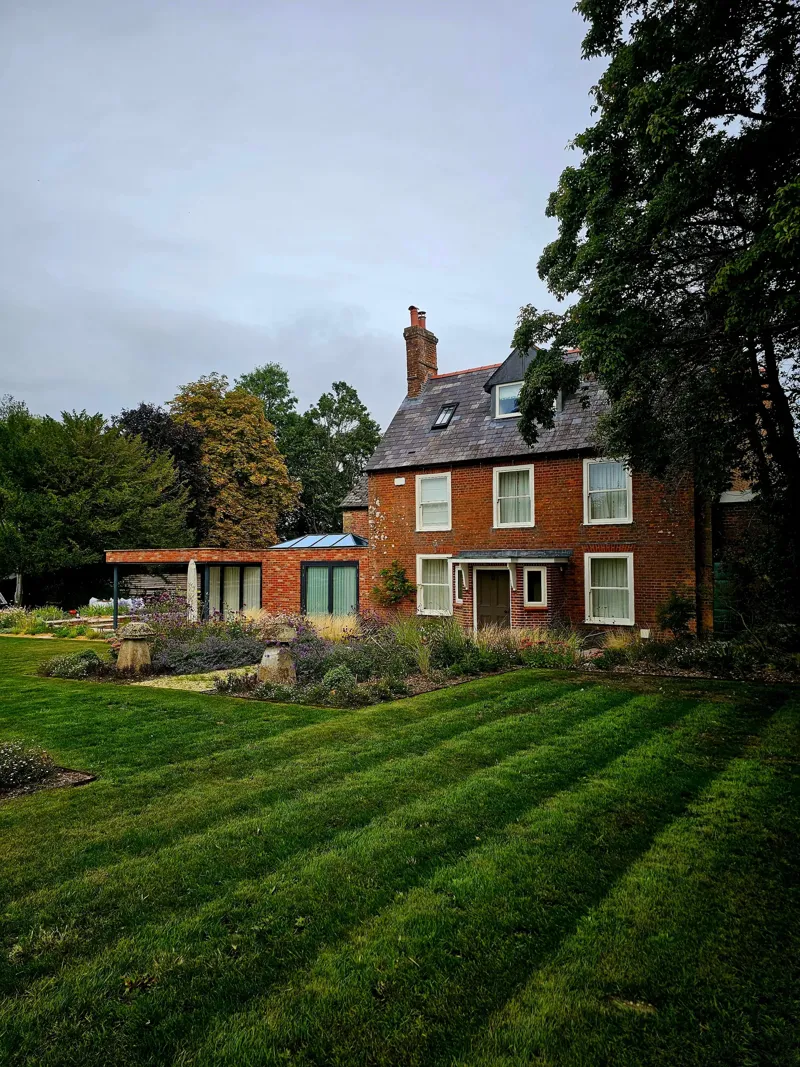
Header photo: The back of a semi-detached house with a single-storey rear extension being built in grey blockwork, scaffolding and bricks on the lawn by Brett Jordan, Pexels License.