Key takeaways
- Our fixed fee for a heritage statement is £579, with no VAT to add.
- National policy asks for it: an assessment of the significance of the assets affected, including any contribution made by their settingNational Planning Policy Framework, chapter 20, policy HE5.
- The council must pay close attention to the area: special attention must be paid to preserving or enhancing the character or appearance of the areaPlanning (Listed Buildings and Conservation Areas) Act 1990, section 72.
- Detail is proportionate: proportionate to the asset's importance and no more than sufficient to understand the potential impact of the proposalGOV.UK planning practice guidance, Historic environment.
- A separate design and access statement is only required for some schemes: for one or more dwellinghouses, or buildings with 100 square metres or more of new floor spaceDevelopment Management Procedure Order 2015, article 9.
What the statement costs, and what it is
Our fee is £579. For that we research the history of the area and the house, assess what is significant, and write a statement that explains your proposal against it. The statement goes into the planning application with your drawings. Our heritage statement page lists what it contains.
It is not a long document by default. The policy test is proportionate: proportionate to the asset's importance and no more than sufficient to understand the potential impact of the proposalGOV.UK planning practice guidance, Historic environment. A modest rear extension in a conservation area needs a modest statement; a change visible from the street needs more.
Why the council asks for one
Councils have a legal duty in conservation areas. special attention must be paid to preserving or enhancing the character or appearance of the areaPlanning (Listed Buildings and Conservation Areas) Act 1990, section 72. The statement is how an applicant shows that duty has been met. Conservation areas also belong to a wider category in the permitted development order: article 2(3) land includes national parks, areas of outstanding natural beauty and conservation areasGeneral Permitted Development Order 2015, article 2(3). That is why even modest work there is more tightly controlled. Without the statement an officer has to guess, and a guess in a conservation area tends to go against the applicant.
National policy says the same in planning terms: an assessment of the significance of the assets affected, including any contribution made by their settingNational Planning Policy Framework, chapter 20, policy HE5. A planning application that omits it risks being declared invalid or refused for lack of information, and either costs weeks.
What the statement says
It starts with the area: when it was built, what survives, and what the council's own appraisal says about it. Then the house: its age, its features, and what has changed. Then the proposal: what you plan, how it looks from the street and from the neighbours' gardens, and why it does not harm the character of the area, or where it does, why that is justified.
The most useful statements are specific. A sentence that could describe any house on any street is no help to an officer. We use the council's conservation area appraisal where there is one, and the local historic environment record for what is known about the site.
Heritage statement or design and access statement?
They are different documents. A design and access statement is required only for some schemes: for one or more dwellinghouses, or buildings with 100 square metres or more of new floor spaceDevelopment Management Procedure Order 2015, article 9. A heritage statement is about the significance of the place, and is expected whenever heritage assets are affected. Our design and access statement is priced from £239.
Many householder jobs in a conservation area need the heritage statement and not the other. We tell you which at the constraints check, which also shows whether other controls apply.
When to order it
Order it with the drawings, not afterwards. The statement describes the design, and the design is easier to shape when the heritage assessment is already in hand. Our planning drawings and the statement are written to match.
If the council asks for more detail, we revise the statement as part of the same job.
The figures, with sources
- National policy on assessing effects on heritage assets
- an assessment of the significance of the assets affected, including any contribution made by their settingNational Planning Policy Framework, chapter 20, policy HE5Checked 25 October 2026
- Level of detail
- proportionate to the asset's importance and no more than sufficient to understand the potential impact of the proposalGOV.UK planning practice guidance, Historic environmentChecked 25 October 2026
- Duty in conservation areas
- special attention must be paid to preserving or enhancing the character or appearance of the areaPlanning (Listed Buildings and Conservation Areas) Act 1990, section 72Checked 25 October 2026
- When a design and access statement is required in a designated area
- for one or more dwellinghouses, or buildings with 100 square metres or more of new floor spaceDevelopment Management Procedure Order 2015, article 9Checked 25 October 2026
- Land where permitted development is limited
- article 2(3) land includes national parks, areas of outstanding natural beauty and conservation areasGeneral Permitted Development Order 2015, article 2(3)Checked 25 October 2026
Questions
Do I need a heritage statement if I am in a conservation area?
Usually the council expects one if heritage assets are affected, in proportion to the proposal. We tell you at the constraints check what your council asks for.
Is a heritage statement the same as a design and access statement?
No. A heritage statement assesses significance and the effect of the proposal. A design and access statement explains design principles and access, and is only required for some schemes.
Can I reuse the statement for a different design?
A statement assesses one proposal. If the design changes, the assessment of its effect needs updating, though the research on the area stays useful.
Does it decide the outcome?
No. The decision is the council's. The statement gives the officer what the policy test asks for, clearly and in proportion.
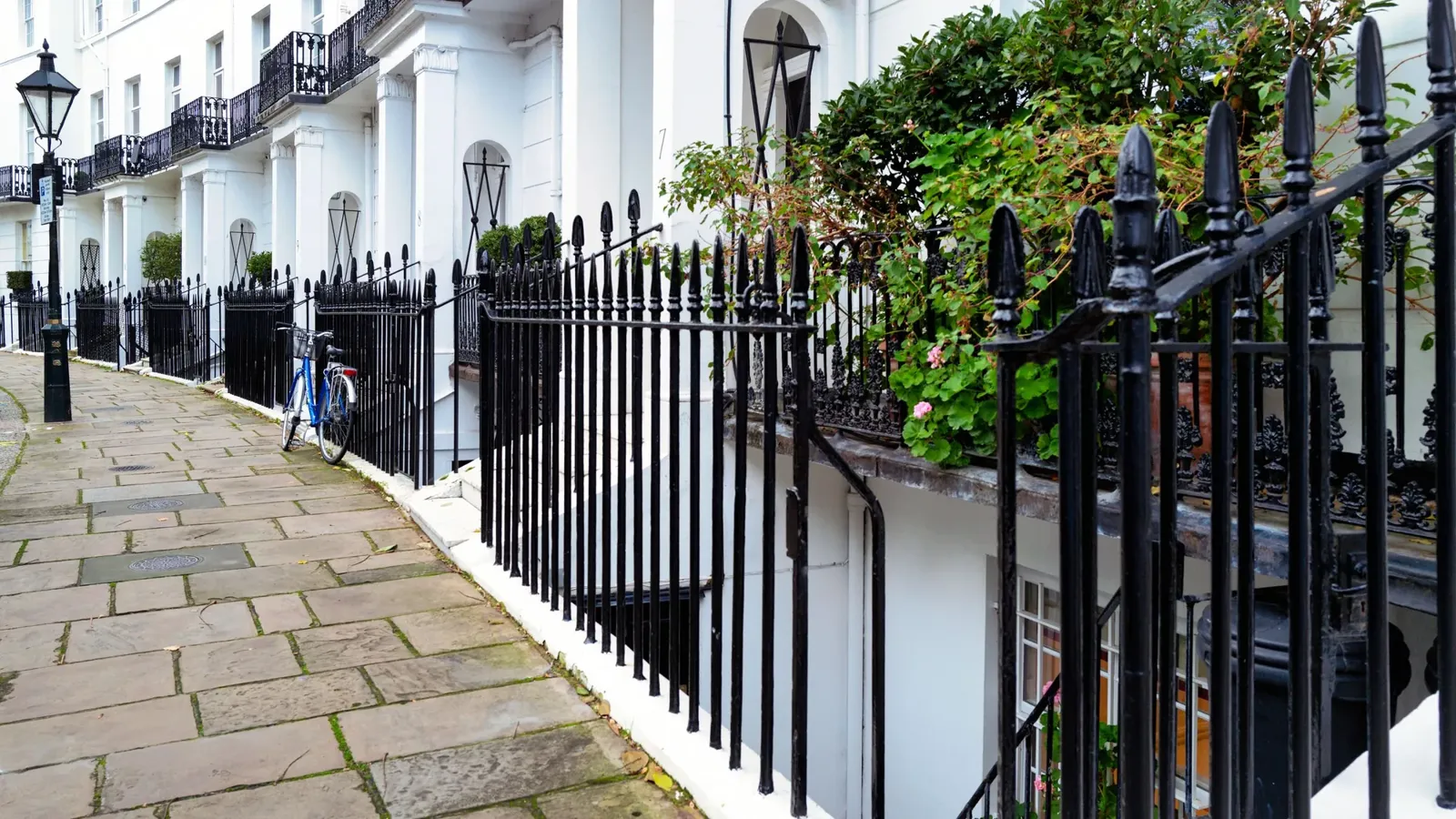
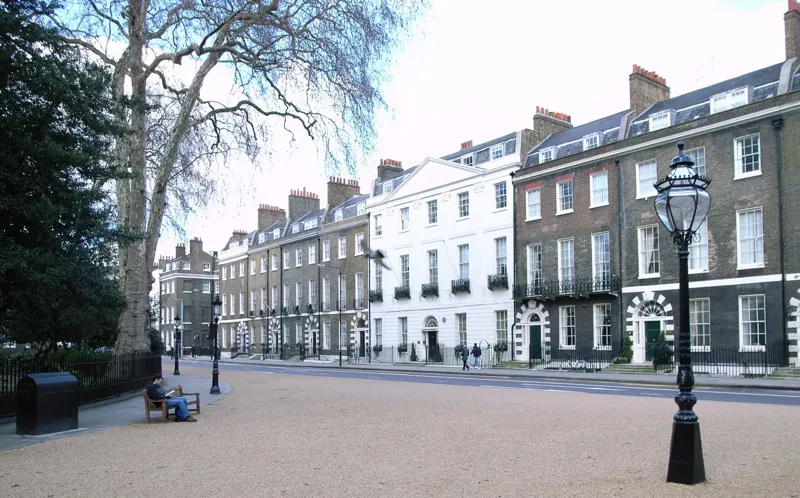
Header photo: Cream-painted Georgian townhouses in Kensington with black railings around lightwells at pavement level by Bob Jenkin, Pexels License.