Key takeaways
- Our fixed fee for a minor householder flood risk assessment is £379, with no VAT to add.
- One is needed in these cases: in Flood Zones 2 or 3, on Zone 1 sites of 1 hectare or more, and in some surface water areasGOV.UK, Flood risk assessments: applying for planning permission.
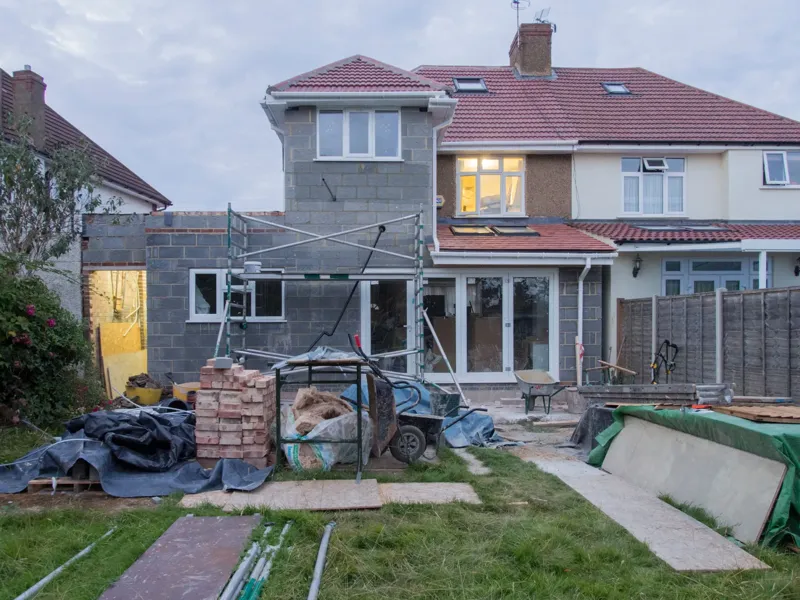
- A simple extension may be able to follow the standing advice: for a simple low-risk development such as a house extension, you may be able to do it yourselfGOV.UK, Flood risk assessments: applying for planning permission.
- Floor levels matter: floor levels at least 600 mm above the estimated flood level, with flood-resistant materials to the same heightGOV.UK, Preparing a flood risk assessment: standing advice.
- A minor extension is defined: a household or non-domestic extension with a floor space of no more than 250 square metresGOV.UK, Flood risk assessments: applying for planning permission.
What a small assessment costs
Our fee is £379 for a minor householder scheme, such as an extension to a house. The assessment is prepared by an accredited partner and coordinated by us, so it uses your drawings. Our flood risk assessment page lists what it covers.
The fee is for a minor scheme. A larger development, a new home or a basement in a flood zone needs a bigger assessment, and we quote it after the constraints check.
When one is needed at all
The Environment Agency's planning guidance is specific. A flood risk assessment should be completed for all development, including minor development and changes of use, in Flood Zones 2 or 3, on Zone 1 sites of 1 hectare or more, and in some surface water areasGOV.UK, Flood risk assessments: applying for planning permission. Everywhere else in Flood Zone 1 only large sites and areas at risk from surface water are caught.
Our constraints check reports your flood zone from the official map, along with other designations, for £19 on its own. It is the least expensive way to find out whether you need an assessment at all.
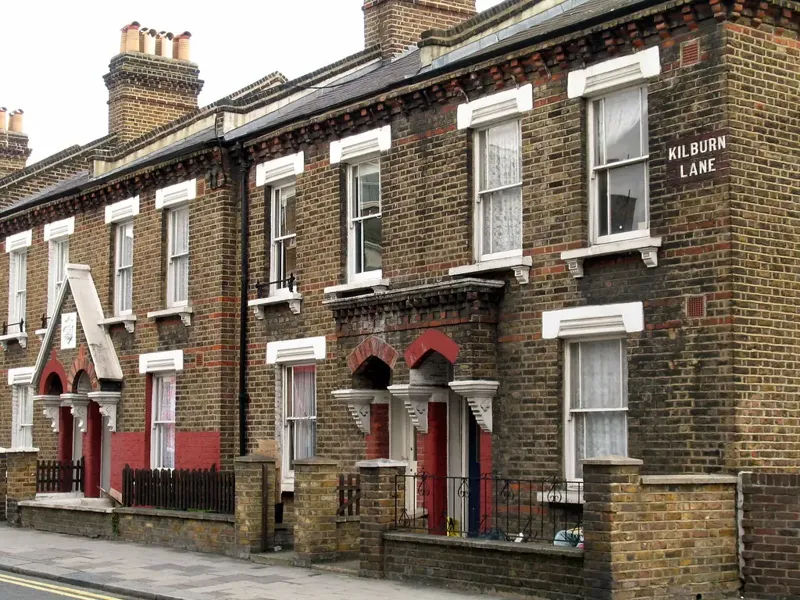
Small extensions: standing advice may be enough
For a simple, low-risk development there is a lighter route: for a simple low-risk development such as a house extension, you may be able to do it yourselfGOV.UK, Flood risk assessments: applying for planning permission. The Environment Agency's standing advice then sets the measures. One of the main ones concerns floor levels: floor levels at least 600 mm above the estimated flood level, with flood-resistant materials to the same heightGOV.UK, Preparing a flood risk assessment: standing advice.
A minor extension, which the guidance defines as a household or non-domestic extension with a floor space of no more than 250 square metresGOV.UK, Flood risk assessments: applying for planning permission, is the typical case. Whether you can do it yourself is a judgement. We tell you whether the standing advice suits your plot or whether a full assessment is safer, since a refused application costs more than the fee.
What the assessment covers
It identifies the sources of flooding, the level of risk to the site now and with climate change, and the measures that reduce it: raised floor levels, flood-resistant materials, a flood warning and a safe route out. It also shows that the development does not make flooding worse elsewhere.
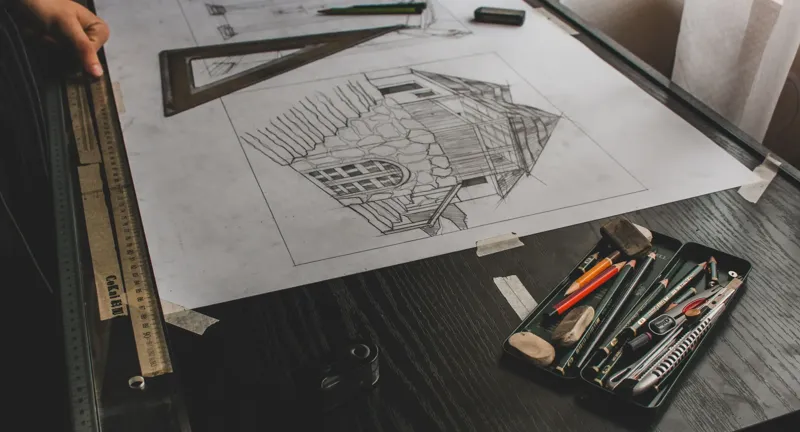
The measures go back into the drawings, so the design and the assessment agree. Our planning drawings carry them into the application.
How to avoid delay
Check the flood zone before you commission drawings. If a zone applies, order the assessment with the drawings so that the floor levels and materials are designed in rather than added after an objection.
If the council or the Environment Agency asks for more, we revise the assessment with our partner.
The figures, with sources
- Where a flood risk assessment should be completed
- in Flood Zones 2 or 3, on Zone 1 sites of 1 hectare or more, and in some surface water areasGOV.UK, Flood risk assessments: applying for planning permissionChecked 25 October 2026
- Consequence of omitting one
- the local planning authority may refuse an application with no flood risk assessment or an unsatisfactory oneGOV.UK, Flood risk assessments: applying for planning permissionChecked 25 October 2026
- Simple, low-risk development
- for a simple low-risk development such as a house extension, you may be able to do it yourselfGOV.UK, Flood risk assessments: applying for planning permissionChecked 25 October 2026
- Definition of a minor extension
- a household or non-domestic extension with a floor space of no more than 250 square metresGOV.UK, Flood risk assessments: applying for planning permissionChecked 25 October 2026
- Standing advice on floor levels
- floor levels at least 600 mm above the estimated flood level, with flood-resistant materials to the same heightGOV.UK, Preparing a flood risk assessment: standing adviceChecked 25 October 2026
Questions
How do I know my flood zone?
It is shown on the Environment Agency's flood map for planning. Our constraints check reports it for your address, along with other designations.
Do I need one for a house extension?
Only if the plot is in a flood zone or another area the guidance lists. Even then a simple extension may follow the standing advice. We tell you which applies.
Does a basement need a bigger assessment?
Yes, usually. A basement in a flood zone is a more serious case, and we quote it separately after the constraints check.
Who prepares it?
An accredited partner, coordinated by us. We fit the findings to your drawings so the two agree.
Header photo: An aerial view of rows of brick terraced houses with rear outriggers and roof windows along a suburban street at sunset by Altaf Shah, Pexels License.